How Discipline Shapes Both a PhD and a Spiritual Life

Helping Young People Carry Faith Beyond the Classroom
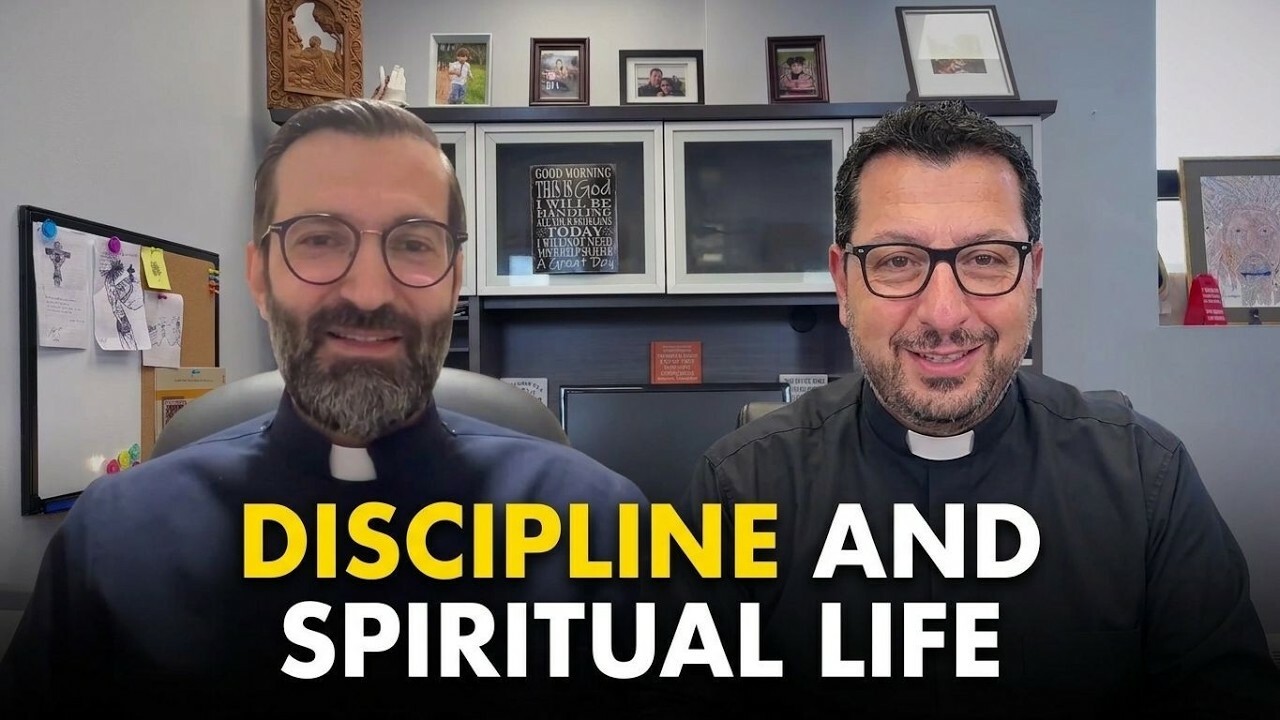
In this episode of Awakened, I had the pleasure of speaking with my friend Bishop Sahag Yemishyan about an achievement that reflects both dedication and a deep commitment to the Armenian community: earning his PhD in administration and supervision from Fordham University. Bishop Sahag’s research explored how Armenian schools in the United States help transmit Armenian Apostolic faith and identity, and how students experience that formation after graduation. Our conversation touched on a question that matters to families, educators, clergy, and anyone invested in the future of our community: How do we help young people stay rooted in their identity while preparing them to engage confidently with the wider world?
Beyond the “Armenian bubble”
One striking finding from Bishop Sahag’s research came from the alumni he interviewed. Some described their school experience as being in an “Armenian bubble.” That environment can offer a strong foundation in language, culture, and faith. But leaving it for university or a broader community can also feel like a difficult transition. As we discussed, the answer is not to choose between preserving identity and embracing the world around us. We need to help young people do both: remain grounded in who they are, while learning to meet different cultures and perspectives with openness and respect. Bishop Sahag noted that Armenian schools already create opportunities for students to engage beyond their immediate community, including through outside speakers and extracurricular activities. His research suggests there is room to make these experiences more intentional, so students can carry their identity with confidence into new settings.
Making faith a lived experience
Another important point was what alumni wanted from religious education, especially in high school. They valued what they had learned, but hoped for more frequent, discussion-based opportunities that connect faith to ethical questions, modern challenges, and personal spirituality. I found this especially meaningful. Faith is not only a set of stories or teachings to remember; it is something we try to live. Young people need space to ask questions and explore how the Gospel speaks to the choices and challenges they face. Bishop Sahag also recommended staying connected with students after graduation. Following alumni over time could help schools understand how young people carry their faith and identity into adult life and where additional support might help.
A lesson in discipline and focus
Our conversation also turned to what Bishop Sahag took from the PhD process itself: discipline and focus. He connected both to spiritual life. In a world full of distractions, a clear sense of direction and steady practice can help us stay anchored. I was grateful for this thoughtful discussion and for Bishop Sahag’s work on a subject that deserves more attention. His research offers a foundation for continued learning about Armenian education, faith, and the ways our schools can help the next generation grow into ambassadors of their identity.